















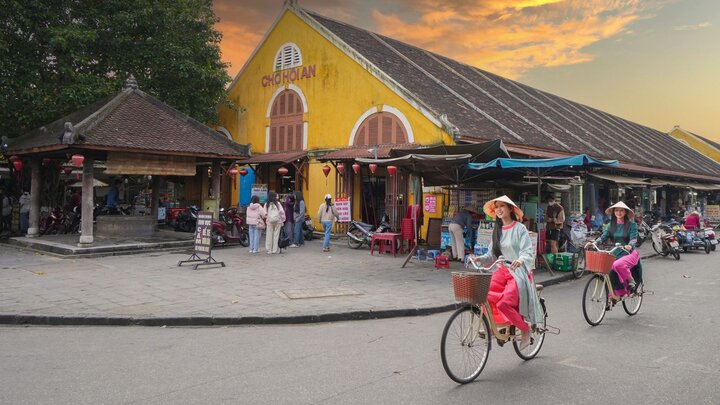
1. Why is breakfast in Hoi An an interesting experience for tourists?
The experience of having breakfast in Hoi An offers tourists the opportunity to fully feel the local rhythm right from the start of the day. Mornings in the ancient town are usually peaceful, with cool and less crowded air. This is the ideal time to stroll through the small streets and visit the locals' familiar eateries. Many eateries have existed for decades, maintaining traditional cooking methods and only selling in the morning. This creates a very unique characteristic for the culinary experience here.
Breakfast dishes in Hoi An clearly reflect the culinary identity of Central Vietnam with harmonious flavors and fresh ingredients of the day. Tourists can easily find crispy hot banh mi, rich Mi Quang, characteristic Cao Lau, or rustic dishes like Banh Beo, Wonton, and Banh Dap. Each dish is associated with the formation history and daily life of the ancient town's residents. Enjoying the food right in the familiar local space makes the experience more authentic and closer.
Another big plus of breakfast in Hoi An is its affordable price. Most breakfast dishes are priced popularly from about 20,000 to 50,000 VND. Portions are just enough to be filling and suitable for many types of tourists. Besides, the breakfast settings are very diverse. Tourists can sit in small roadside eateries, near the traditional market, or by the peaceful Hoai River.
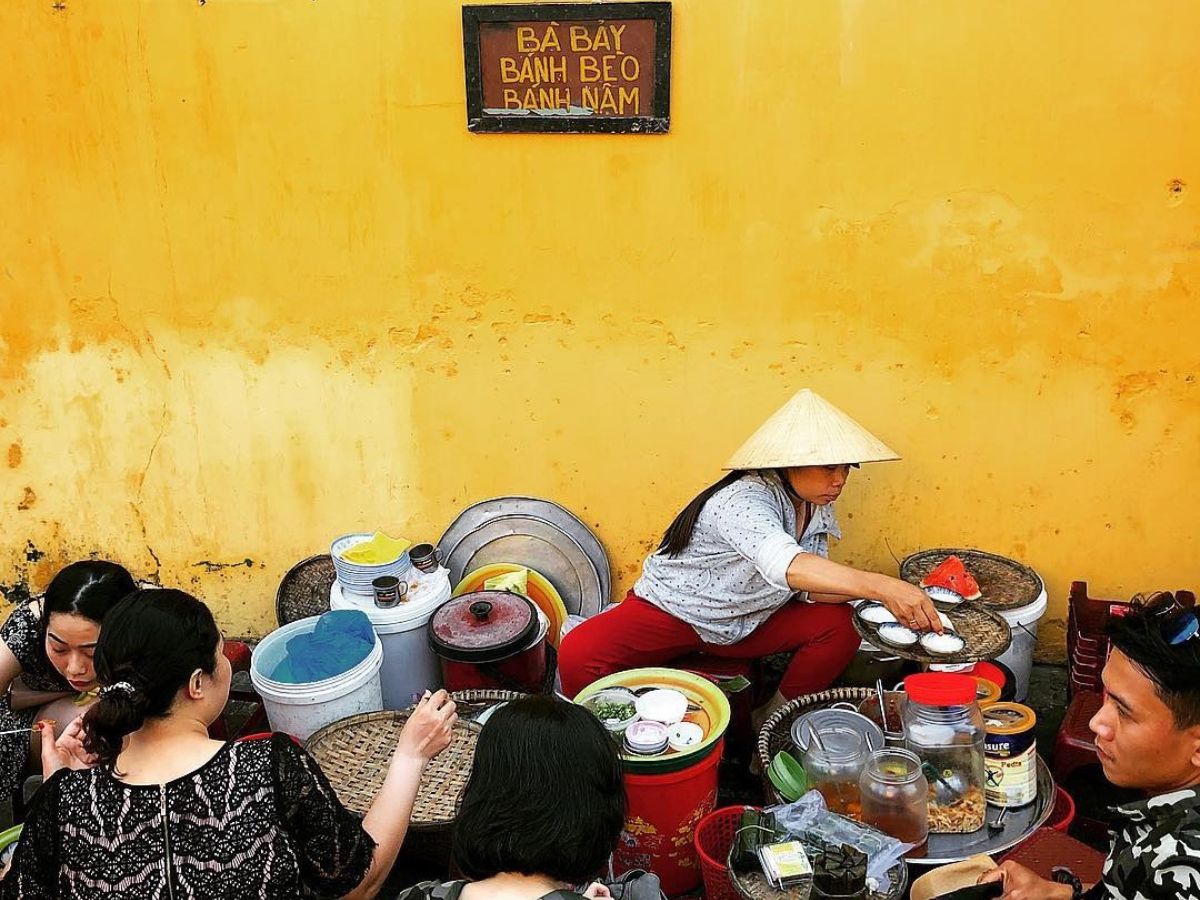
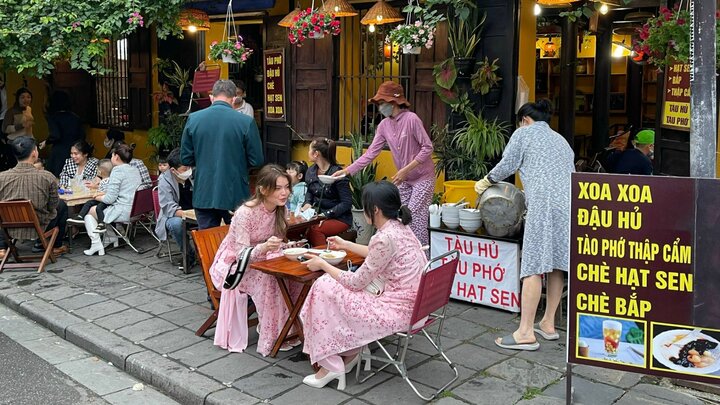
In Hoi An, a variety of breakfast dishes are served at affordable prices and in a welcoming atmosphere for tourists. (Source: Collected)
Beyond just eating, breakfast in Hoi An is also a way to explore local culture. Through each dish and service style, tourists gain a deeper understanding of the daily habits, slow pace of life, and hospitable spirit of the ancient town's residents. The combination of cuisine, atmosphere, and early morning emotions creates an unforgettable charm for this experience.
2. Top 10 Outstanding Hoi An Breakfast Dishes and Delicious Recommendations
2.1. Hoi An Banh Mi
Banh mi is one of the most popular and accessible choices for breakfast in Hoi An . This dish suits the early morning rhythm of the ancient town with its quick, neat service and portability. A Hoi An banh mi typically has a thin, crispy crust and a soft, fragrant interior. The filling is meticulously prepared with various ingredients such as grilled meat, char siu, Vietnamese pork sausage, pate, pickled vegetables, and fresh herbs. The key differentiator is the sauce, mixed according to each shop's unique recipe, making the flavor harmonious and easy to enjoy in the morning.
Among the famous establishments, Banh mi Phuong and Madam Khanh Banh Mi are two names frequently mentioned on travel sites and Google Maps. Banh mi Phuong, located on Phan Chau Trinh street, usually opens early and costs around 20,000–30,000 VND per sandwich. Madam Khanh's shop, also known as "Queen Banh Mi," impresses with its generous filling and rich sauce, highly rated by many international tourists. Additionally, some other local banh mi shops are also chosen by residents for their quick service and preserved traditional flavors.
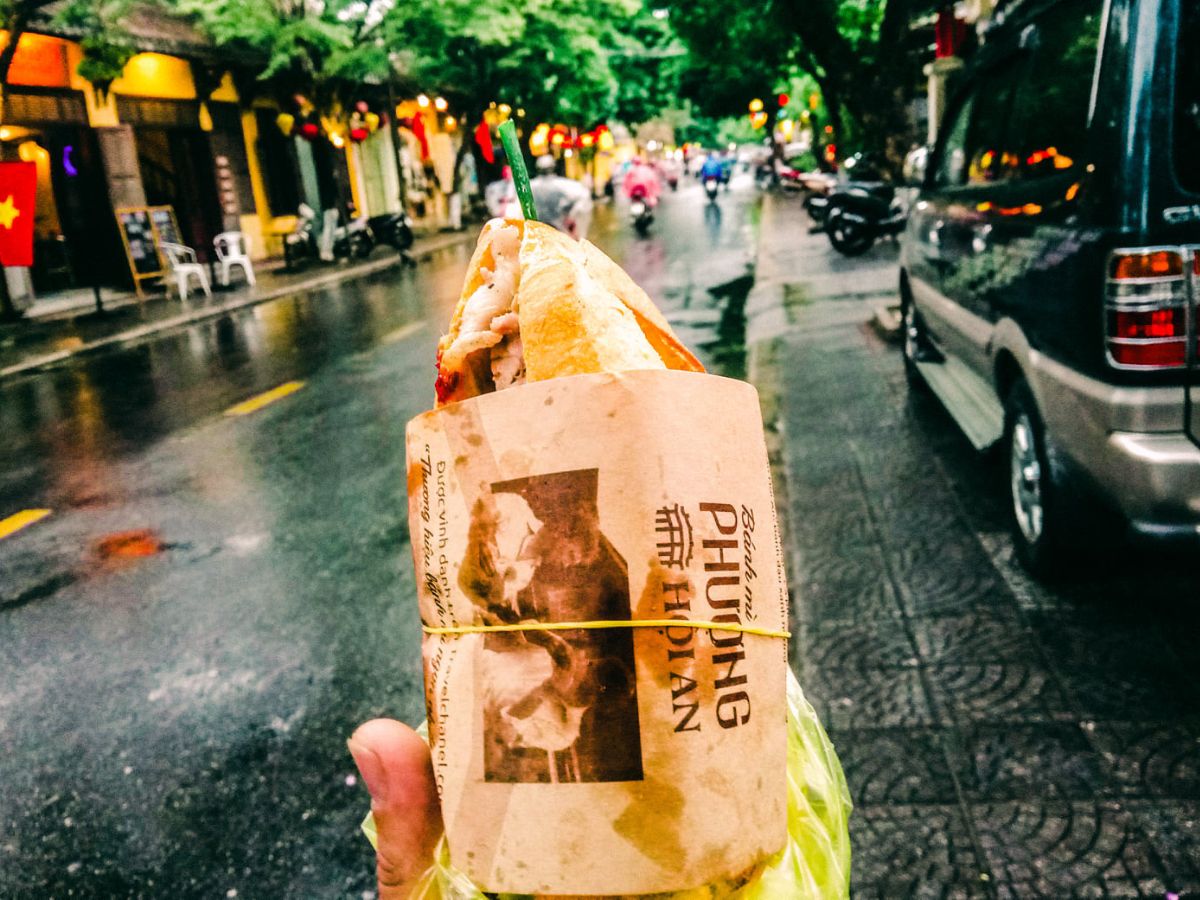
Banh Mi is a delicious breakfast choice in Hoi An for many tourists and locals. (Source: Collected)
The experience of eating Banh Mi in the morning in Hoi An is not just about the taste. Tourists can enjoy the dish while observing the slow pace of life in the ancient town, from shops opening to people going to the early market. With reasonable prices, easy-to-eat flavors, and a cozy atmosphere, Banh Mi is always a suitable choice to start the day.
2.2. Mi Quang
On a morning culinary journey, Mi Quang is always a dish chosen by many tourists for breakfast in Hoi An. This dish is suitable for breakfast thanks to its moderate portion, rich flavor, and ease of eating. Mi Quang noodles are wide and flat, often with a light yellow color from turmeric. The broth is concentrated, only enough to cover the noodles, preserving the sweetness from shrimp, meat, and bones. A bowl of Mi Quang usually comes with shrimp, pork or chicken, quail eggs, roasted peanuts, and many fresh herbs. When eating, diners break in grilled rice paper to add crispiness and enhance the flavor, following the traditional way of local people.
In Hoi An, Mi Quang is available in many eateries that open early in the morning, serving mainly locals and tourists. Some stalls are highly rated for their flavor and consistency, such as Mi Quang Ba Minh, Mi Quang Bich, Mi Quang Co Sinh, or Muoi Mi Quang – Cao Lau. These stalls maintain a simple serving style, rustic ambiance, and focus on the quality of the food.
The price of a bowl of Mi Quang in Hoi An usually ranges from about 25,000 to 40,000 VND, suitable for many types of tourists and meeting the needs for breakfast in Hoi An. Mi Quang is not only a culinary value but also contributes to the unique morning experience of the ancient town. Sitting at a small table, enjoying a hot bowl of noodles in the quiet atmosphere allows tourists to clearly feel the slow and everyday rhythm of Hoi An.
2.3. Cao Lau
Cao Lau is a dish associated with the image of traditional cuisine and is often chosen by many tourists for breakfast in Hoi An. This dish has thick, slightly chewy noodles with a characteristic brown-yellow color. Cao Lau noodles are made from rice soaked with ash water and ancient well water, creating a texture different from ordinary noodles. A complete bowl of Cao Lau usually includes sliced char siu pork, bean sprouts, local herbs, and crispy fried rice paper. The broth is only added in a sufficient amount to keep it dry, allowing the flavors of the ingredients to blend without being greasy.
Cao Lau is not just a dish but also reflects the history and culture of Hoi An. According to many culinary sources, Cao Lau only has the authentic flavor when prepared locally, thanks to the region's characteristic water and ingredients. Therefore, this dish is always considered a must-try experience in the morning, when the body needs a meal that is both filling and flavorful. Many Cao Lau eateries in Hoi An open early in the morning, serving mainly local residents and tourists who want to start their day with local cuisine.
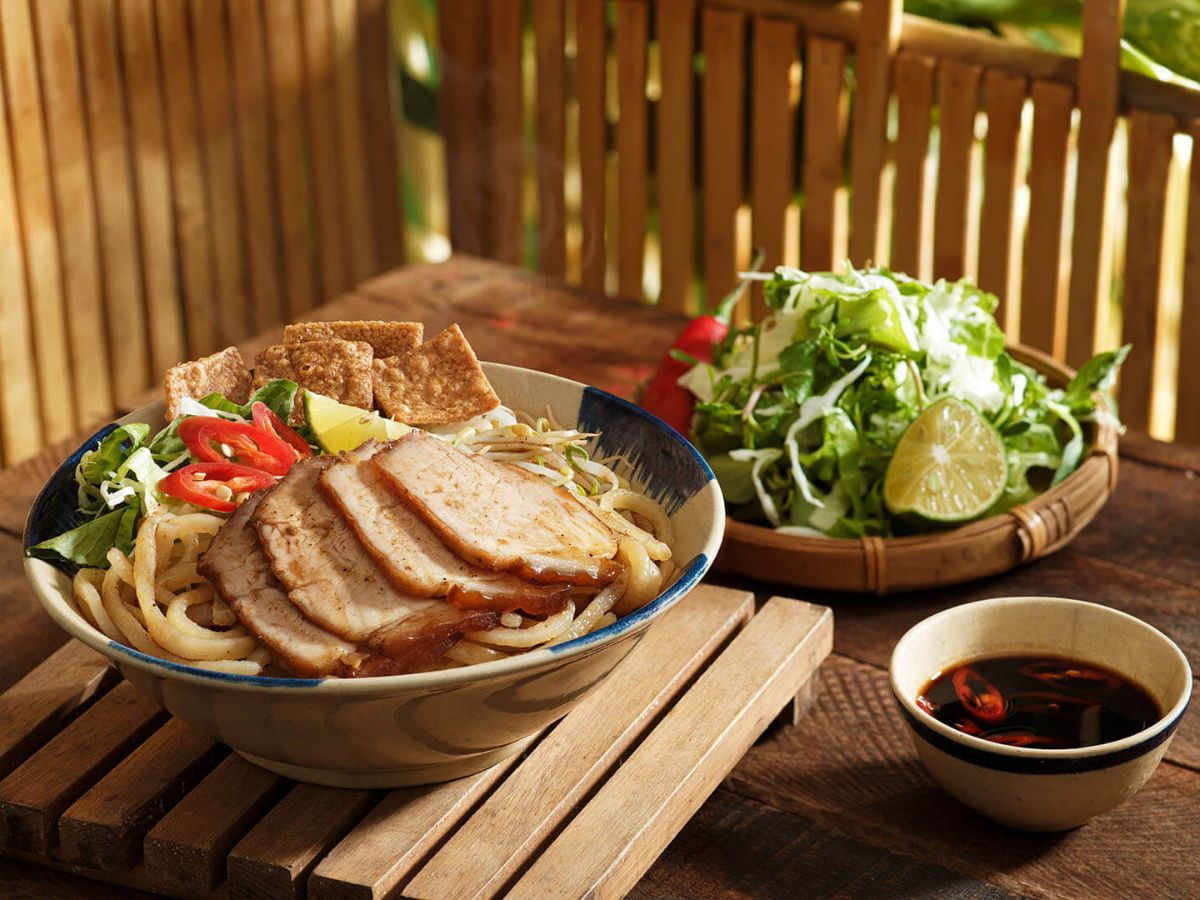
Tourists should try Cao Lau Hoi An for breakfast for a memorable taste experience. (Source: Collected)
Regarding locations, tourists can visit long-standing Cao Lau eateries such as Cao Lau Thanh, Cao Lau Ba Le, Cao Lau Co Lien, or Cao Lau Khong Gian Xanh. These eateries maintain traditional cooking methods and have simple spaces. The price for a serving of Cao Lau in Hoi An usually ranges from about 25,000 to 50,000 VND, depending on the eatery and portion.
2.4. Pho Hoi An
Pho is one of the dishes many tourists choose for breakfast in Hoi An due to its rich and easy-to-eat flavor. The pho broth in Hoi An is usually clear and naturally sweet from simmered bones and vegetables. This broth is not too fatty but still flavorful, suitable for starting a day of exploring the ancient town. The pho noodles are soft yet retain a slight chewiness when hot broth is added, creating a comfortable and light feeling in the morning. When eating pho, diners are usually served with fresh herbs, bean sprouts, and a few slices of fresh chili to enhance the flavor according to their preference. Toppings in the pho bowl include thinly sliced beef or chicken, both carefully prepared to maintain their tenderness and sweetness.
In Hoi An, there are many highly-rated pho restaurants recommended in local culinary articles. Pho Tung is a long-standing pho address with authentic broth and reasonable prices, usually ranging from about 20,000 to 44,000 VND per bowl. This eatery is considered by many to be one of the must-try places for traditional pho breakfast. Pho Lien Nga is another notable choice with its traditional serving style and sweet, delicate flavor. Besides these eateries, you can also try pho at places like Pho Ngan Hoi An, Pho Thin Hoi An, or Pho Ga An Vien to experience diverse pho styles in the area.
2.5. Wonton
Wonton is one of the dishes that appeared quite early in Hoi An, associated with the Sino-Vietnamese cultural exchange during the port's history. Over time, Hoi An wontons have been adapted to suit local tastes and have become a familiar choice for many when having breakfast in Hoi An. This dish is usually served from early morning, fitting the daily rhythm of the ancient town's residents and tourists who want to start their day with a light yet energizing meal.
Hoi An wontons are popular in two ways of serving: wonton soup and wonton with noodles. The characteristic feature lies in the thin, slightly chewy, non-mushy wrapper. The filling is usually a harmonious combination of finely minced pork and fresh shrimp, seasoned just right. Wonton soup has a clear broth, simmered from pork bones and vegetables for many hours, creating a natural sweetness without being greasy. For wonton noodles, the chewy noodles combined with wontons and just enough broth make the dish more flavorful.
In Hoi An, wontons are often sold at traditional family eateries, Chinese restaurants, or long-standing establishments in the ancient town. Many places are highly rated by customers for maintaining consistent flavor, quick service, and tidy spaces. The price for a serving of wontons ranges from about 20,000 – 80,000 VND, depending on the type and preparation method, suitable for both locals and tourists.
2.6. Banh Bao, Banh Vac Traditional
Banh Bao and Banh Vac are two traditional cakes that bear the strong imprint of Hoi An's culinary culture. These dishes are also often chosen by many tourists for breakfast in Hoi An. These cakes emerged from the Sino-Vietnamese cultural exchange during the bustling port era. Over generations, Banh Bao and Banh Vac have been perfected by locals in both appearance and flavor, becoming characteristic specialties of the ancient town.
The cake wrapper is made from finely ground rice flour, meticulously filtered multiple times to achieve a translucent, soft, and chewy texture. Banh Bao has a filling of finely minced pork, seasoned just right, combined with wood ear mushrooms and green onions. Banh Vac, on the other hand, stands out with its filling of hand-pounded fresh shrimp, offering a natural sweetness and distinctive aroma. When steamed, the cakes become translucent, with the filling clearly visible, creating a delicate impression at first glance. Banh Vac is also called "White Rose" by international tourists due to its petal-like shape resembling a white rose.
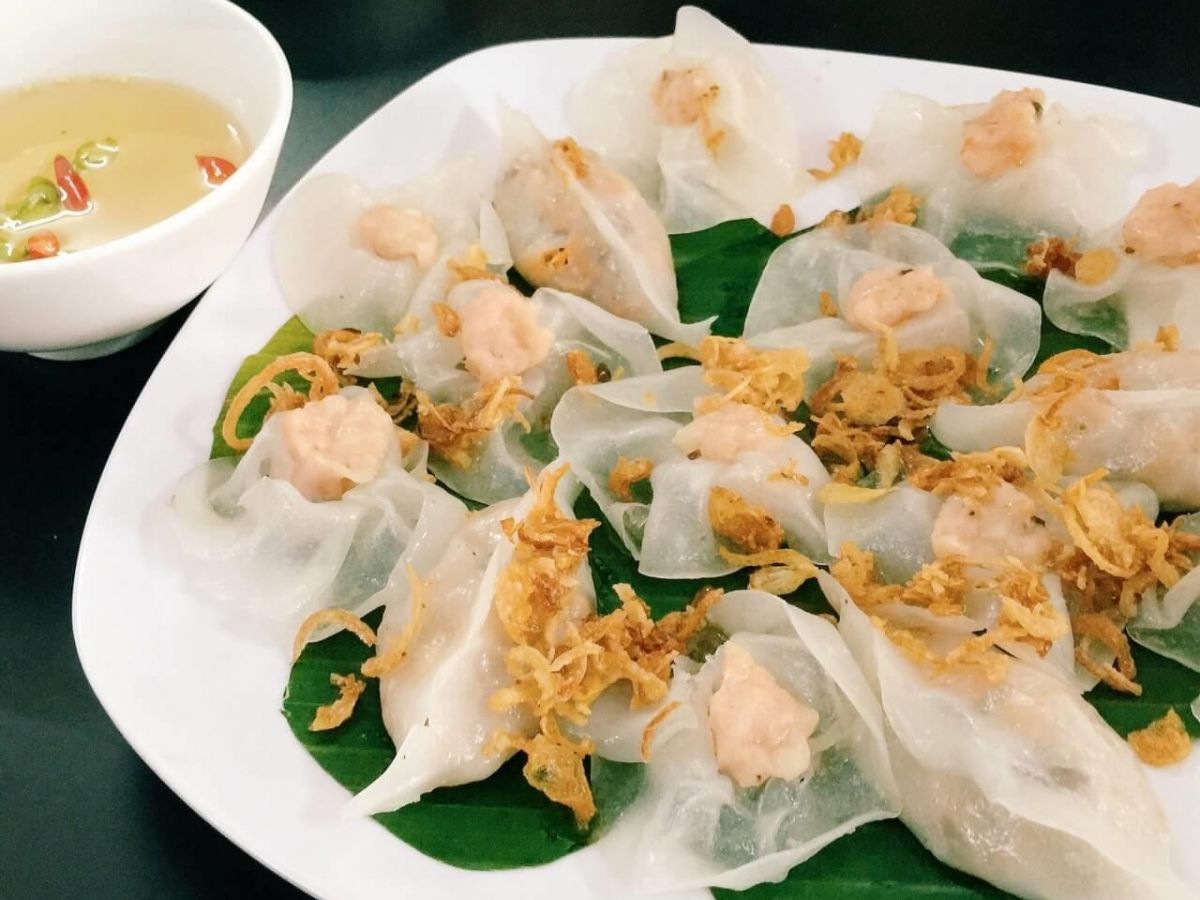
Hoi An's Banh Bao Banh Vac is a delicious, cheap breakfast dish worth trying for tourists. (Source: Collected)
The most mentioned address for enjoying Banh Bao Banh Vac is Hoa Hong Trang restaurant - a long-standing family establishment in Hoi An. The restaurant is famous for its handmade process, adhering to traditional recipes and stable quality. Additionally, some specialty restaurants in the ancient town also serve this dish with authentic flavor, suitable for a light breakfast. The price per portion usually ranges from 40,000 – 100,000 VND, depending on quantity and location.
2.7. Banh Dap, Hen Xao
Banh Dap, Hen Xao is a simple dish but carries the strong local culinary identity. This dish is associated with the Cam Nam area - which has fresh Thu Bon river clams year-round. Banh Dap is made from two layers of cake with contrasting textures. The outer layer of grilled rice paper is crispy. The inner layer of steamed rice cake is soft and chewy. When served, the vendor presses the two layers of cake together to create the characteristic "dap" (crushed) texture, making it both crispy and chewy when eaten.
The stir-fried clam portion is the soul of the dish. The clams are cleaned, boiled, then quickly stir-fried with fried shallots, Vietnamese coriander, and seasoned to taste. The preparation method retains the natural sweetness of the clams, not too oily, making it very suitable for breakfast. When eating, Banh Dap and Hen Xao are dipped in a special fermented shrimp paste sauce, with a salty, sweet, and slightly spicy taste, creating a harmonious and memorable overall flavor.
Some Banh Dap, Hen Xao restaurants highly rated by diners include Banh Dap Hen Xao Cam Nam, Ni Ba Gia, or small riverside eateries in local residential areas. The eateries usually open early in the morning, with simple but airy spaces. The price per portion of Banh Dap or Hen Xao ranges from about 10,000 – 50,000 VND, suitable for many people. Thanks to its rustic, easy-to-eat flavor and rich cultural experience, Banh Dap, Hen Xao is always a worthwhile choice for breakfast in Hoi An, especially for tourists wanting to explore the local culinary life.
2.8. Banh Canh
If you need a hot, easy-to-eat, and filling dish to start the day, Banh Canh is a preferred choice for many locals and tourists for breakfast in Hoi An. This dish is common in the daily life of the ancient town, clearly reflecting a simple culinary style that emphasizes ingredient quality. Banh Canh noodles in Hoi An are usually made from rice flour or tapioca starch, with moderate thickness, soft but not mushy. The broth is simmered from pork bones or seafood, giving it a natural, clear, and pleasant sweetness, suitable for breakfast.
Hoi An's Banh Canh is not elaborate in presentation but is diverse in ingredients. Common toppings include pork, fish cake, pork knuckle, crab, or mantis shrimp depending on the eatery. Accompanied by herbs are usually spring onions and cilantro, which enhance the aroma and prevent the dish from being too greasy. Some eateries also serve bread for diners to eat with, making them feel fuller to start the day. Thanks to its moderate seasoning, Banh Canh suits various ages and tastes.
In Hoi An, many Banh Canh eateries open early in the morning and serve continuously throughout the day. Familiar addresses for locals include Banh Canh Ba Quyt, Banh Canh Co Luon, or Banh Canh Cha Ca (fish cake noodle soup) eateries near the Japanese Covered Bridge area. The price per bowl of Banh Canh usually ranges from 15,000 to 40,000 VND, suitable for both tourists and locals.
2.9. Banh Beo Hoi An
Hoi An's Banh Beo is a rustic dish but holds a special place in the morning culinary habits of local people. For many tourists, it is a suitable choice for a light and leisurely breakfast in Hoi An. The cake is made from finely ground rice flour, steamed in small bowls to create a soft, smooth, and slightly chewy texture. The topping is usually fresh shrimp pounded and stir-fried with minced meat, topped with scallion oil and roasted peanuts to enhance the flavor. When eaten, Banh Beo is drizzled with a Central Vietnamese-style fish sauce dressing, with a balanced sweet and salty taste, not too strong. Thanks to its simple yet refined preparation, this dish is easy to eat and suitable for both the elderly and children.
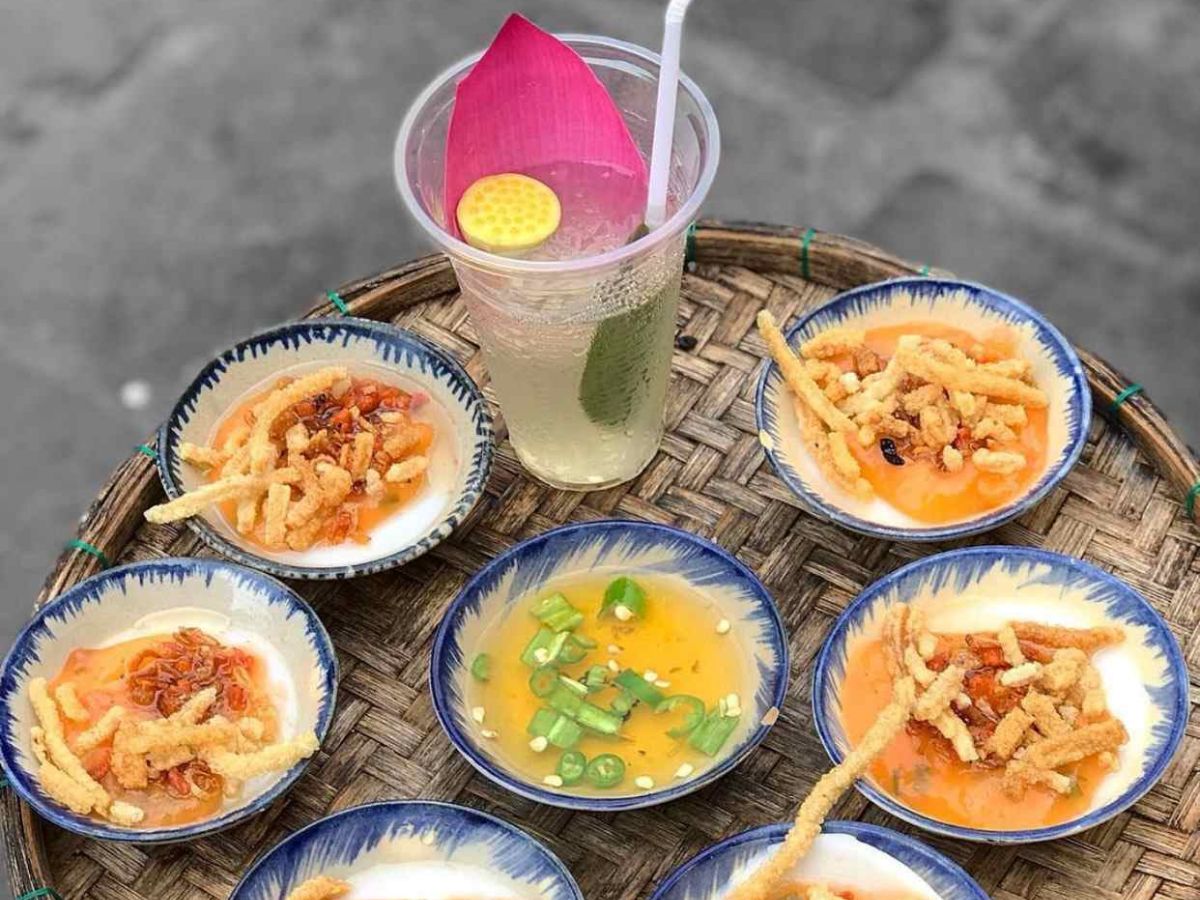
Hoi An savory steamed rice cakes with a delicious and attractive flavor that captivates diners. (Source: Collected)
In Hoi An, banh beo is usually sold from early morning at long-standing eateries in the ancient town and surrounding residential areas. Familiar addresses for locals include Ba Bay's banh beo, Ba Tai's banh beo, or Ba My's banh beo. These eateries maintain traditional preparation methods; the cakes are always steamed fresh daily, thus retaining their softness and consistent flavor. A portion of banh beo typically consists of many small bowls, priced around 10,000 – 30,000 VND, making it very suitable for a budget-friendly breakfast. The simple, fast, and friendly service helps diners clearly feel the everyday rhythm of the ancient town.
2.10. Red Bean Porridge
When having breakfast in Hoi An, red bean porridge is a simple dish that carries the deep imprint of the daily life of the ancient town's residents. According to many culinary articles and local shares, red bean porridge is usually cooked from white rice and small red beans, simmered for many hours until the beans are soft and creamy, the porridge is smooth, and it has a natural, delicate sweetness. This dish does not use too many spices, thereby retaining its pure flavor, making it easy to eat and very suitable for a light breakfast.
A characteristic of Hoi An's red bean porridge is its flexible way of eating. Many eateries serve porridge in a vegetarian style, accompanied by tofu, pickled mustard greens, or herbs, creating a refreshing and easily digestible feel. Besides, many locals also eat red bean porridge with braised mackerel or add the rich braising liquid from the fish. This combination brings a harmonious sweet and savory flavor, highly favored by Hoi An people in the morning.
Red bean porridge is often sold at small eateries in the ancient town, especially in the Minh An area and some central streets. The price per bowl is quite affordable, ranging from about 15,000 - 25,000 VND, suitable for both locals and tourists. The area around Dinh Tien Hoang – Son Phong has many small eateries selling simple breakfast dishes like porridge, sticky rice, and vegetarian options. Address 59 Dinh Tien Hoang, Son Phong is a suggestion you can refer to. The simple, friendly atmosphere helps tourists feel comfortable as they start their day.
3. Suggested Itinerary for Sightseeing Combined with Hoi An Breakfast
The morning is the ideal time to start your journey to explore Hoi An in a slow and complete way. When the ancient town is still quiet, visitors can easily feel the local rhythm through the experience of having breakfast in Hoi An. The first day should be dedicated entirely to the ancient town area. From 6:30 AM to 8:00 AM, you can choose Banh Mi Phuong or Madam Khanh if you want a quick breakfast convenient for moving around. Those who love specialties should choose Cao Lau Thanh, Ba Be's Cao Lau, or Ba Minh's Mi Quang to fully experience the ancient town's cuisine. The period from 8:00 AM to 10:30 AM is suitable for visiting heritage sites, strolling through the ancient town when the sun is still gentle. You can visit the Japanese Covered Bridge, assembly halls, old houses, museums, and take the opportunity to capture beautiful morning moments.
From 10:30 AM to 11:30 AM, don't miss the experience of Hoi An Market. Here you can explore specialty stalls, and enjoy a few more light dishes like banh beo, wontons, or sweet soup. In the afternoon and evening, you can continue to visit Tra Que Vegetable Village, Thanh Ha Pottery Village, Cam Thanh, or return to the ancient town to enjoy dinner, explore street food, wander through lantern-lit streets, release flower lanterns, etc.
On the second day, the journey expands as you travel from Hoi An to Da Nang early in the morning. After a light breakfast in Hoi An, visitors depart for Sun World Ba Na Hills to visit the Golden Bridge, French Village, take photos at the flower gardens, wine cellars, Fantasy Park, etc.
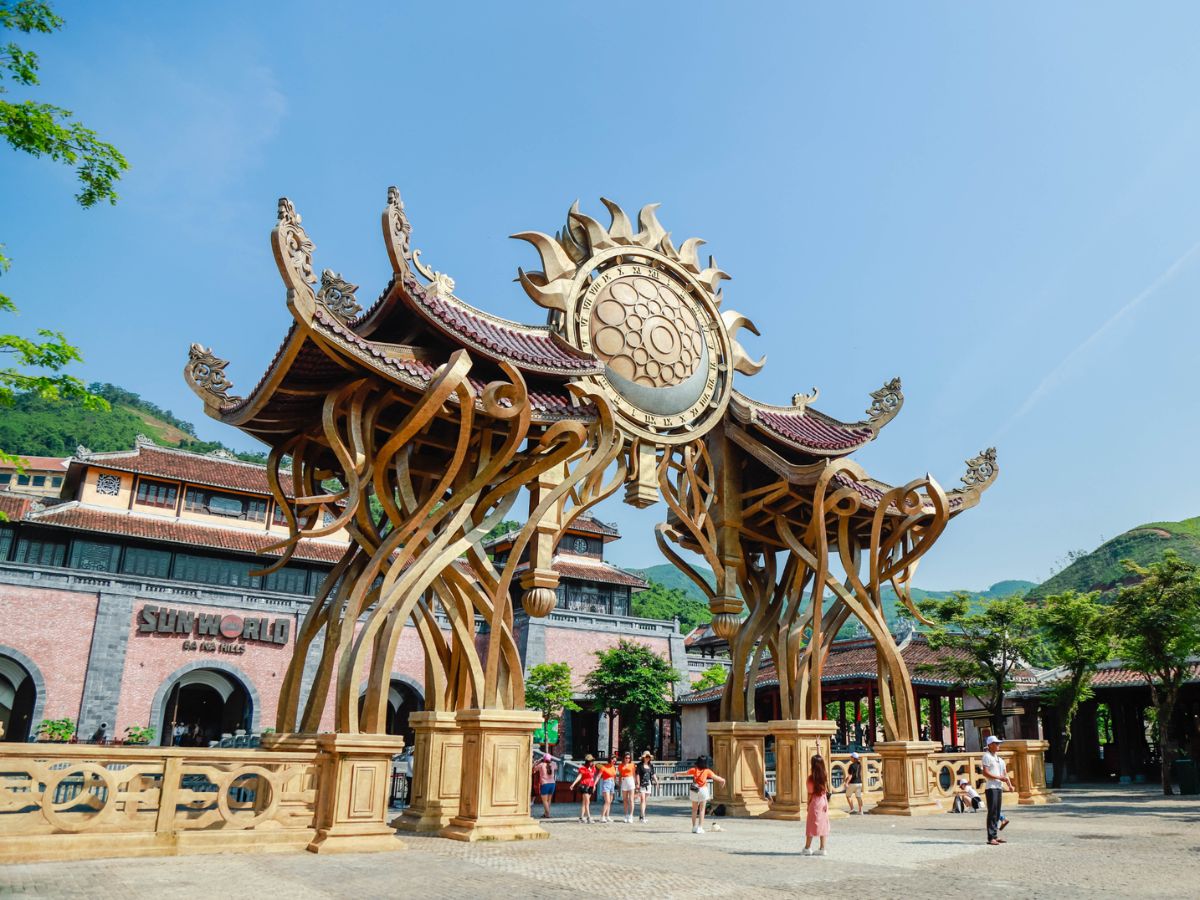
Visitors should not forget to visit Ba Na Hills after enjoying culinary experiences in Hoi An. (Source: Collected)
In the afternoon, visitors return to the center of Da Nang, combining visits to the beach or famous bridges. This 2-day itinerary helps balance relaxation, exploration, and the Hoi An breakfast experience reasonably, making it easy to apply for many types of tourists. For families, it is advisable to prepare a light jacket as the air at high altitudes is usually cool, and bring snacks and drinks for young children. Having lunch at buffet restaurants on Ba Na helps save time and is convenient for the whole family.
4. Experience and notes when having breakfast in Hoi An
4.1. How to choose a delicious local breakfast spot
To make the Hoi An breakfast experience complete, choosing a suitable eatery plays a very important role. First, visitors should prioritize places with a stable number of customers in the morning and that are frequently mentioned in reputable culinary articles. Long-standing establishments that serve continuously from early morning often retain the traditional flavors and characteristic preparation methods of Hoi An people. This is also an indicator that the food quality has been proven over time.
Another important tip is to observe the clientele of the eatery. Places frequented by locals for breakfast often reflect the authentic local palate, less adjusted to tourist tastes. When having breakfast in Hoi An, visitors should prioritize ordering local specialties such as Cao Lau, Mi Quang, Banh Mi, Hoanh Thanh, or Banh Bao Banh Vac. These dishes are often handmade, use familiar ingredients, and preserve the culinary essence of the ancient town.
Besides flavor, price is also a factor to consider. Authentic local breakfast eateries usually have reasonable prices, generous portions, and quick service. If the menu is too diverse or the prices are unusually high, it's likely the place caters more to tourists than locals. Finally, don't hesitate to ask the owner about their best-selling dish of the day. This is a simple way to help you choose the right delicious dish and enjoy your Hoi An breakfast in a friendly, authentic, and memorable way.
4.2. Notes on prices and hygiene when having breakfast in Hoi An
When experiencing Hoi An breakfast, paying attention to prices and food hygiene is crucial for a complete trip. Generally, the price range for breakfast dishes in Hoi An is quite reasonable compared to many other tourist destinations. Familiar dishes like Banh Mi, Cao Lau, Mi Quang, or Banh Canh usually range from about 20,000 to 50,000 VND per serving. This price is suitable for both locals and tourists. However, in areas near the ancient town or crowded tourist spots, prices may be slightly higher due to rental costs and large customer volume. Visitors should check the price list beforehand or ask clearly before ordering to avoid unexpected charges.
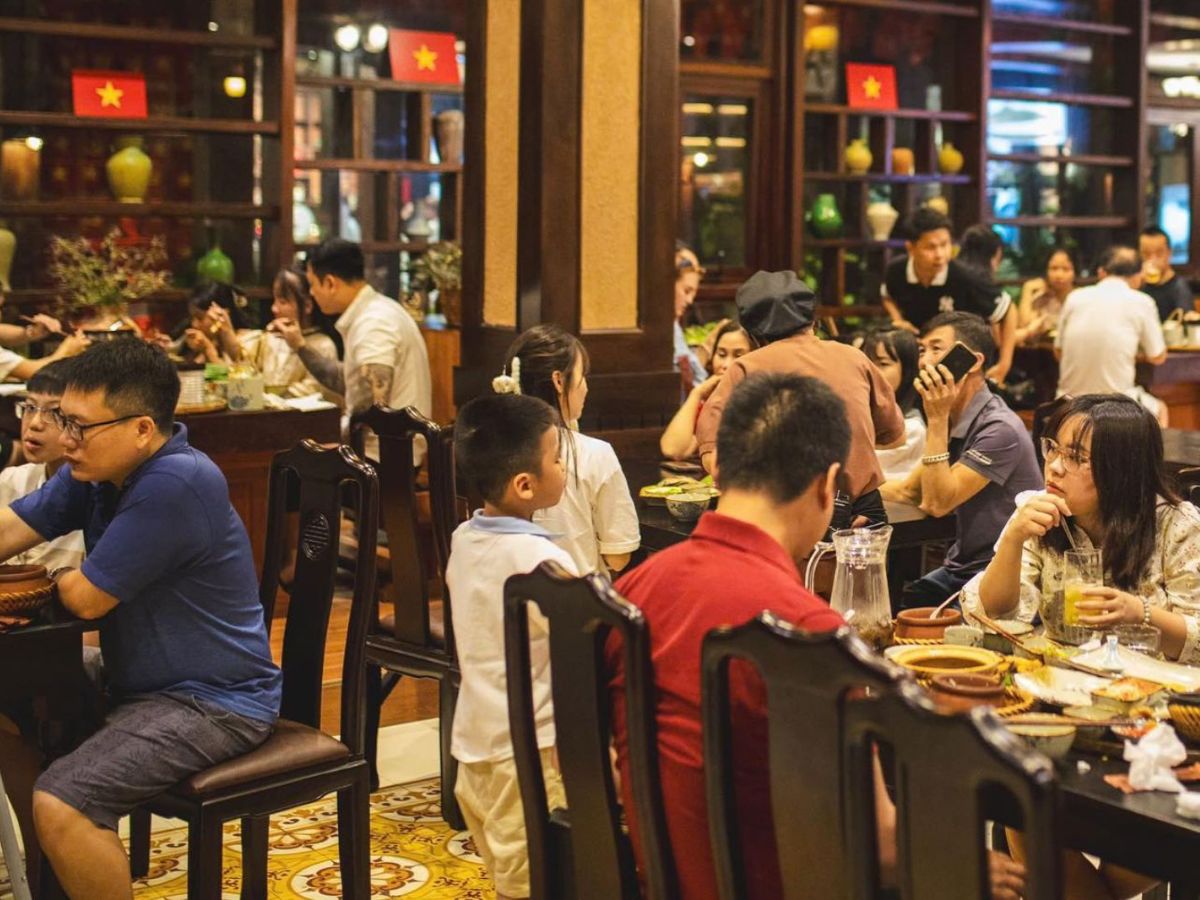
Tourists should choose breakfast spots in Hoi An that are well-rated for quality and reasonable prices. (Source: Collected)
Besides price, food safety and hygiene are also important considerations when eating breakfast in Hoi An. Eateries with a stable local customer base are often reliable choices because the food is cooked fresh continuously. Tourists should observe the preparation area, ingredient storage methods, and eating utensils. Food needs to be cooked thoroughly, broth hot, and without strange odors. Clean, tidy, and fast-serving establishments usually ensure better quality. Additionally, it is advisable to limit trying too many unfamiliar dishes in one morning to avoid affecting your health. Choosing the right eatery will help you enjoy the ancient town's cuisine safely, economically, and with authentic local flavors.
4.3. Experience enjoying authentic breakfast dishes
Early morning, from around 6 AM to 8 AM, is when dishes are prepared freshest and the ancient town's atmosphere is still quiet. This is also the time when locals go for breakfast, helping you better feel the local pace of life. Noodle dishes like Cao Lau, Mi Quang, or Pho should be enjoyed while hot to preserve the distinct flavors of the broth and noodles.
Besides the timing, the correct way of eating also plays an important role when having breakfast in Hoi An. For local specialties, tourists should eat them the traditional way. Cao Lau requires mixing the noodles thoroughly with the sauce and fresh herbs to blend the salty, rich, and refreshing tastes. Mi Quang should be eaten with crispy rice crackers and a bit of chili and lime to enhance the Central Vietnamese flavor. Seasoning gradually will help you perceive each layer of flavor, avoiding the loss of the dish's unique character.
Additionally, observe the habits of locals and ask the owner about the best-selling dish of the morning. This method helps you choose delicious dishes that match Hoi An's palate. After breakfast, a stroll through the ancient town or visiting a riverside cafe will complete the early morning culinary experience in a gentle and memorable way.
Breakfast is not just a meal to start the day but also a way to fully experience the rhythm of life and the flavors of the ancient town. The experience of eating breakfast in Hoi An will help tourists understand more about the local culinary culture, from simple folk dishes to the peaceful morning ambiance. If you are planning your upcoming trip, don't forget to save a list of delicious eateries and share your impressions to make your Hoi An exploration journey more meaningful.