















1. Overview of Military Zone 5 Museum Da Nang
Military Zone 5 Museum Da Nang is one of the historical and cultural landmarks of the city. Not only does it hold research value, but it also attracts visitors with its spacious area, numerous visual exhibition zones, and highly educational sightseeing spots.
Address: No. 3 Duy Tan Street, Hoa Cuong Ward, Da Nang City
The museum covers a total area of nearly 9,000 m², located on a central street, convenient for travel from many areas within the city. With an exhibition style combining outdoor and indoor spaces, the Military Zone 5 Museum Da Nang offers a vivid visiting experience, suitable for both tourists and students.
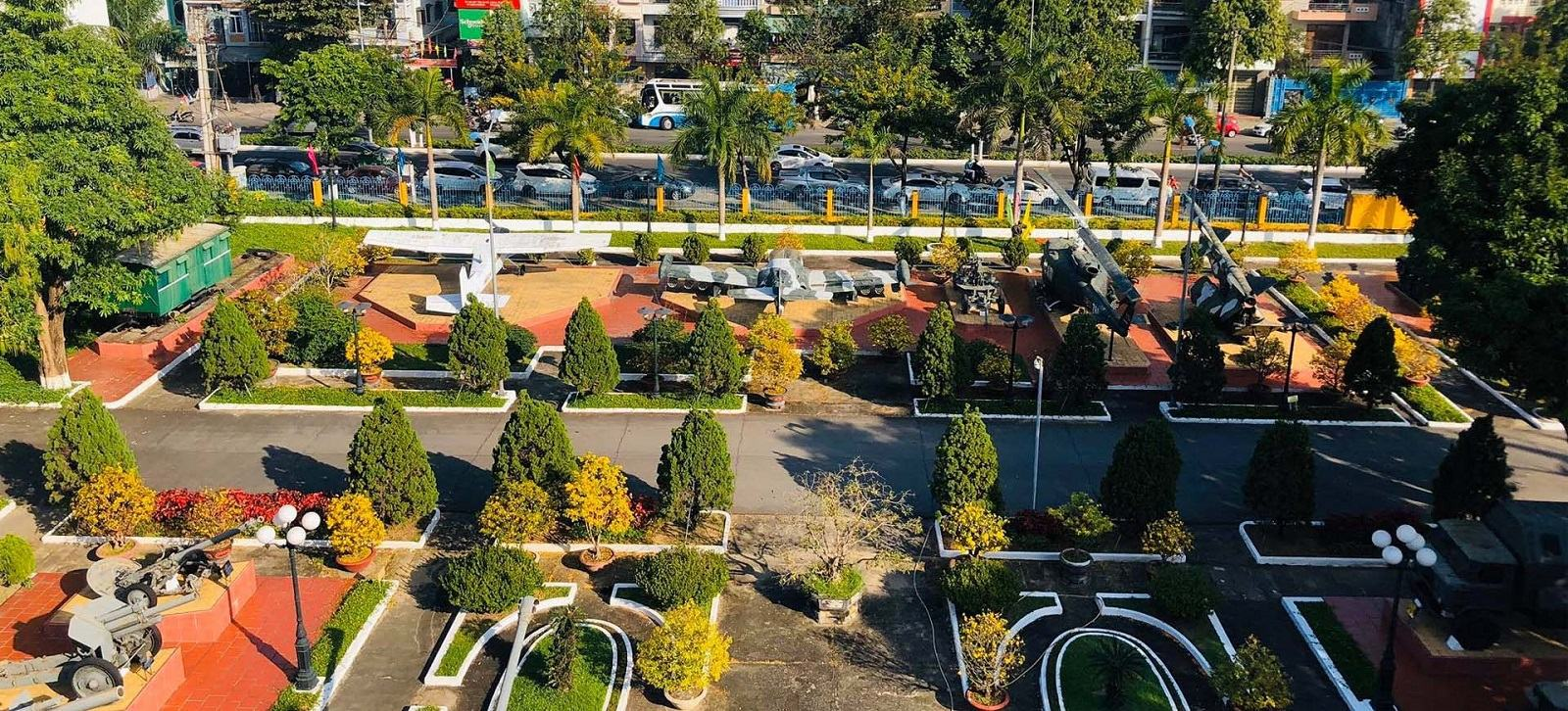
Military Region 5 Museum Da Nang has a total area of up to 9,000 m². (Source: Collected)
In terms of content value, the museum is a place to preserve, collect, and introduce a system of artifacts and documents reflecting the formation, combat, and growth of the armed forces of Military Region 5 through historical periods. This is also a destination that helps visitors understand more about the contributions and sacrifices of the people and army in the Central – Central Highlands region during the resistance wars.
Many people easily confuse the Military Region 5 Museum Da Nang with the Ho Chi Minh Museum Da Nang. In reality, these two museums are located near each other but are two different exhibition spaces. The Ho Chi Minh Museum is located at 1 Duy Tan Street, focusing on introducing the life and career of President Ho Chi Minh. Both belong to the system of Army Museums but have their own content and themes.
2. What is special about the exhibition space at the Military Region 5 Museum Da Nang?
Currently, the museum is divided into two main exhibition areas, each offering a different perspective on military history.
2.1. Outdoor Exhibition Area
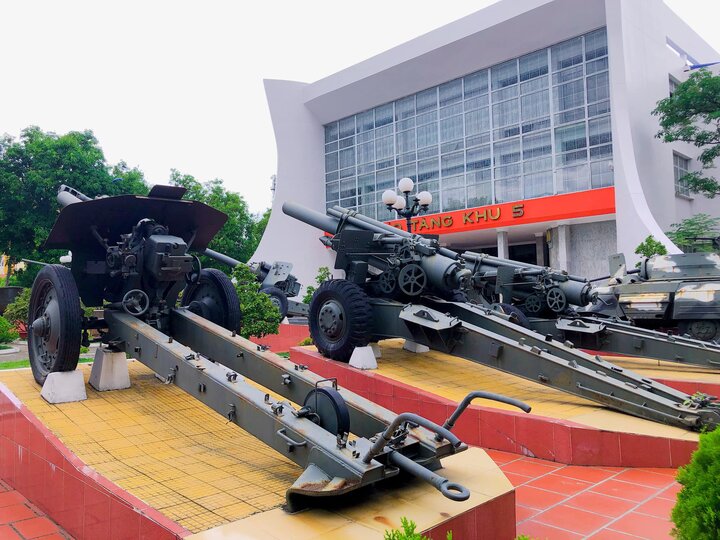
The outdoor exhibition area has an area of over 5,000 m², where large-sized weapons and military vehicles are displayed. Visitors can directly observe tanks, armored vehicles, aircraft, and many military equipment used by the French and American armies, which were later captured by our army and people during the war.
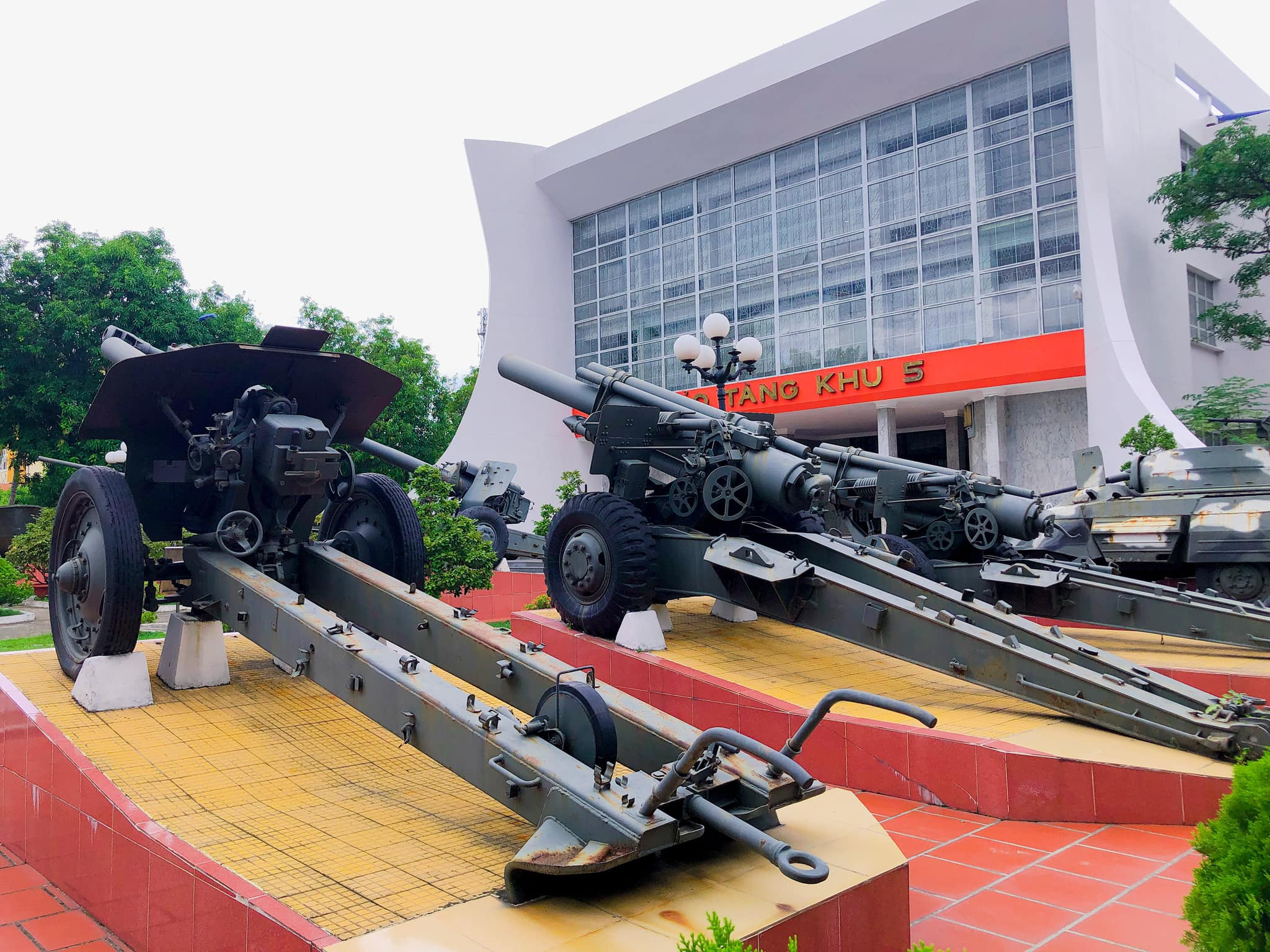
The outdoor exhibition area displays large-sized weapons and military vehicles. (Source: Collection)
The open space makes visiting easily accessible, especially suitable for those who want to learn history through real artifacts, rather than just observing through images.
2.2. Indoor Exhibition Area
The indoor exhibition area, spanning over 3,000 m², comprises 12 specialized rooms. Here, the Military Region 5 Museum of Da Nang introduces thousands of artifacts, images, documents, and valuable documentary films, reflecting the arduous struggle of the army and people of Military Region 5.
The exhibition spaces are arranged chronologically, helping viewers easily visualize the historical context, while clearly depicting the tenacious fighting spirit and the will to protect national independence of the Vietnamese people.
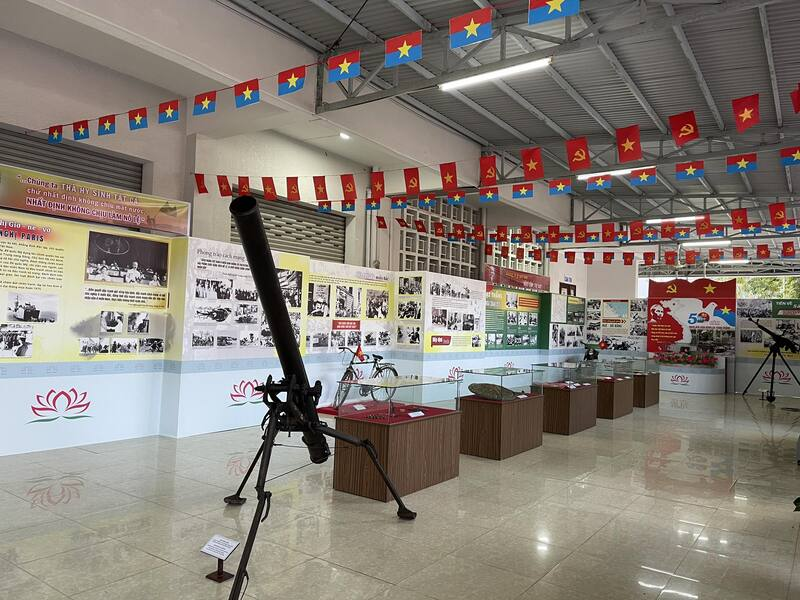
Indoor exhibition spaces are arranged chronologically. (Source: Collection)
With its convenient location, clear exhibition content, and profound historical value, the Military Region 5 Museum Da Nang is a suitable destination for those who want to combine sightseeing, historical learning, and experiencing a different perspective of Da Nang alongside beach tourism and entertainment.
3. Experiencing history at the Military Region 5 Museum Da Nang
More than just an academic attraction, the Military Region 5 Museum Da Nang offers an emotionally rich experiential journey, allowing visitors to "touch" history through real artifacts and intuitive exhibition spaces.
3.1. Learning about the history of resistance wars in the Central region
When visiting the Military Region 5 Museum Da Nang, visitors will gain a comprehensive historical overview of the resistance wars in the Central – Central Highlands region. The exhibition space recreates many important milestones such as the resistance movement against the French colonialists, the Ba To guerrilla force – the predecessor of the Military Region 5 armed forces, and the August Revolution of 1945.
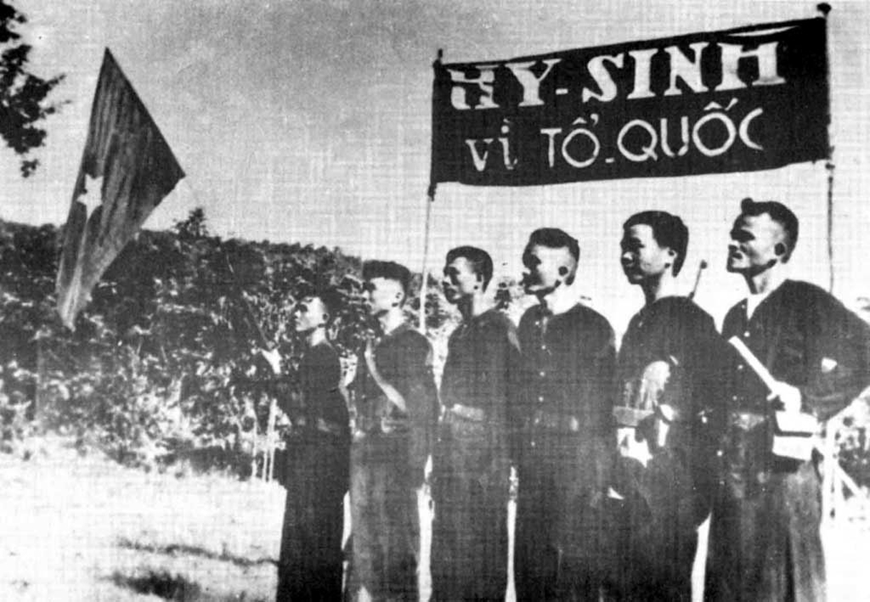
Ba Tơ forces in preparation for the August General Uprising of 1945. (Source: Collected)
Additionally, the museum introduces documents and images related to the Stơr resistance village led by hero Dinh Nup, the Tay Nguyen victory, the Hue – Da Nang front, and the "American annihilation belt" system. Each exhibition area is arranged chronologically, helping visitors easily visualize the context and progression of each period.
3.2. Admire Rare Artifact Collections
One of the aspects that makes the Quan khu 5 Museum in Da Nang special is its collection of historically valuable artifacts. Visitors can find typical collections such as the Central Trung Bộ Newspaper, seals from the Saigon administration during the 1954 – 1975 period, and self-made weapons of the Quân khu 5 army and people.
Alongside these are wartime memorabilia, images of President Ho Chi Minh, and many relics of martyrs who sacrificed their lives during international missions in Cambodia and Laos. These artifacts contribute to clarifying the historical depth and humanistic value of the museum.
3.3. A Historical Education Space Suitable for Families
Visiting the Quan khu 5 Museum in Da Nang is also a suitable choice for families with young children. The visual display format makes learning history more accessible than just through books. The shared visiting activity also creates opportunities for family members to discuss, share, and bond through historical stories.
4. Visiting Hours and Ticket Prices for Quan khu 5 Museum Da Nang
Before planning a visit to the Quan khu 5 Museum in Da Nang, visitors should find out about opening hours, transportation, and ticket prices to proactively arrange their itinerary. Thanks to its convenient location and reasonable visiting policies, the museum is a suitable destination for both domestic and international tourists who want to learn about the history and military of the Central – Tay Nguyen region.
4.1. Opening Hours for Quan khu 5 Museum Da Nang
The Quan khu 5 Museum in Da Nang is open to visitors from Monday to Friday every week. The operating hours are divided into two shifts per day: morning from 8:00 AM to 11:00 AM and afternoon from 2:00 PM to 5:00 PM. Visitors should prioritize visiting in the morning or early afternoon to have enough time to fully explore the indoor and outdoor exhibition areas, and to avoid rushing as the museum is about to close.
4.2. Directions to Quan khu 5 Museum Da Nang
From other provinces and cities, visitors can reach Da Nang by plane, train, or bus. Once in the city center, finding the way to the Quan khu 5 Museum in Da Nang is quite easy thanks to its location on Duy Tan street – one of the major, conveniently accessible roads. Visitors can choose various means of transport such as motorbikes, taxis, ride-hailing services, or buses. Among these, renting a motorbike is popular for its flexibility, allowing for independent time management and easy combination with visits to nearby tourist attractions.
4.3. Ticket Prices for Quan khu 5 Museum Da Nang
The ticket prices for the Quan khu 5 Museum in Da Nang are currently quite reasonable, making it accessible for a large number of visitors to experience the historical and cultural space. Specifically, Vietnamese visitors are free of charge, while international visitors have a fee of approximately 20,000 VND/person. With low cost but high experiential value, the museum is a worthwhile stop on your exploration of Da Nang.
5. Tips for Visiting Quan khu 5 Museum Da Nang
To ensure a smooth and complete visit to the Quan khu 5 Museum in Da Nang, visitors should proactively choose a suitable time. Morning or early afternoon are ideal times, avoiding the heat while allowing enough time to thoroughly explore the indoor and outdoor exhibition areas. When visiting the museum, you should wear polite and neat attire, appropriate for a historical and educational space.
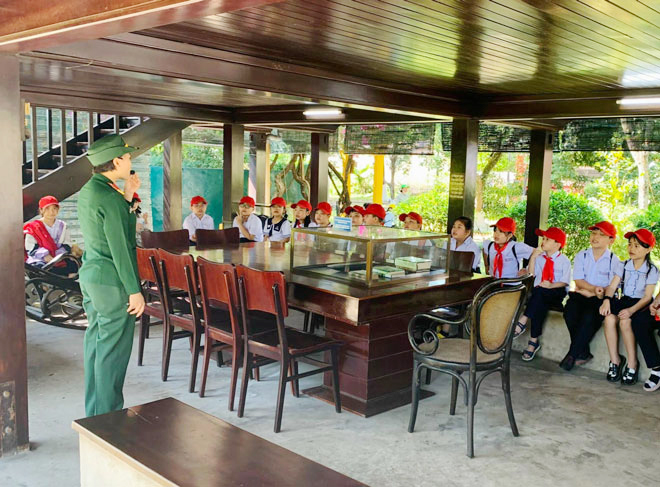
When visiting the museum, visitors need to prepare neat and tidy attire. (Source: Collected)
For groups with children or the elderly, arranging interspersed rest times is quite necessary, as the Military Zone 5 Museum Da Nang campus is relatively large and has many interconnected exhibition areas. Throughout the visit, visitors should maintain order, not touch the exhibits, and comply with general regulations to contribute to protecting the exhibition space and preserving the historical value of the museum.
6. Suggested Combinations for Military Zone 5 Museum Da Nang in Your Travel Itinerary
Thanks to its convenient location, the Military Zone 5 Museum Da Nang is easily combined with other attractions within the same day. Visitors can spend the morning visiting the museum, learning about the struggle history and military traditions of the Central Highlands – South Central Coast region, and then in the afternoon continue to explore prominent spots in the city center such as parks, other museums, or shopping areas.
If you have more time, you can arrange an itinerary combined with Sun World Ba Na Hills. After visiting the Military Zone 5 Museum Da Nang in the morning, visitors can travel to Sun World Ba Na Hills to experience a resort tourism space, cool climate, and European-style architecture. This combination creates a balanced journey between exploring historical and cultural values and enjoying modern entertainment and relaxation experiences, making your Da Nang trip more diverse and memorable.
With rich exhibition content, spacious grounds, and clear historical significance, the Military Zone 5 Museum Da Nang is a suitable destination for those who want to understand more deeply about the nation's heroic past. Incorporating the museum into your itinerary will add depth to your Da Nang trip, balancing cultural and historical experiences with modern tourism.